




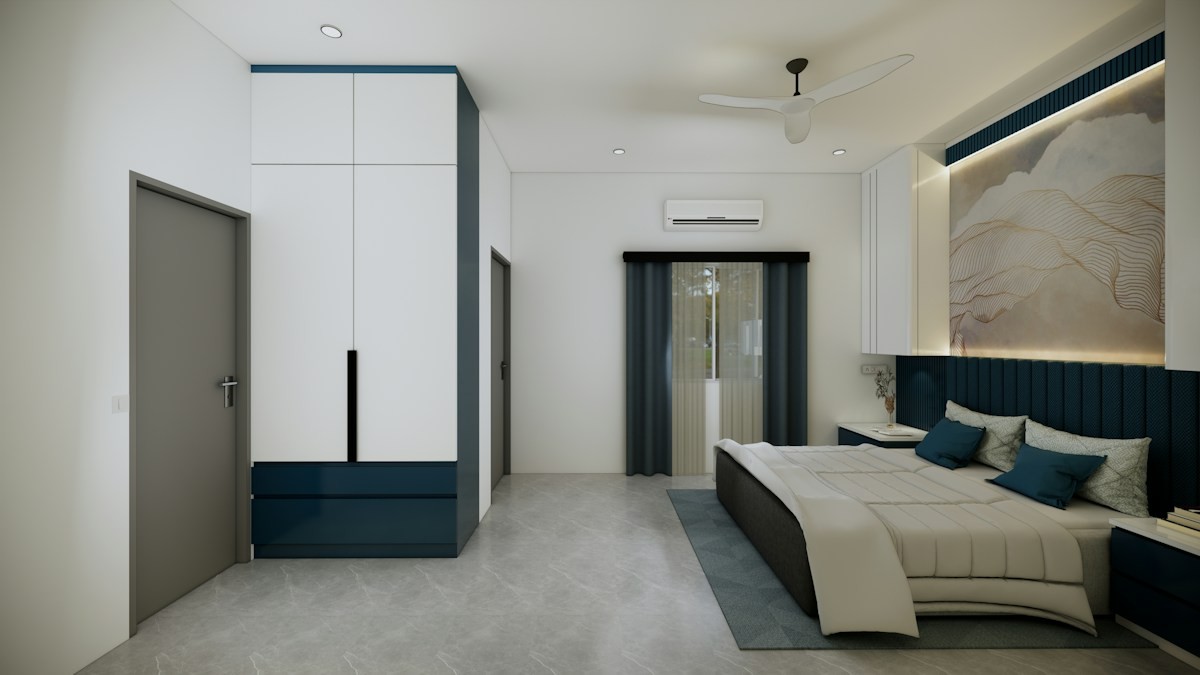
Living in a studio apartment or compact micro-dwelling demands an entirely different approach to interior design. When your bedroom, living room, and home office occupy the same four walls, floor space is the ultimate luxury. Traditional freestanding dressers, oversized wardrobes, and sprawling nightstands rapidly consume precious square footage, resulting in visual clutter, claustrophobia, and impaired physical mobility.
The secret to creating an expansive, serene living environment in limited footprints lies in unlocking dual-purpose horizontal planes and capturing vertical dead space. The massive footprint occupied by a queen or full-size bed represents between 30 and 35 square feet of prime real estate—space that is entirely squandered if left empty or stuffed with chaotic dust bunnies.
In this exhaustive studio storage guide, you will learn the technical strategies behind under-bed and vertical storage hacks. We explore heavy-duty rolling bin systems, hydraulic platform conversions, ceiling-grazing perimeter shelving, modular wall-mounted rail tracks, and dust-mitigation seals that turn hidden cavities into an organized, high-density storage engine.
Under-Bed Geometry: Unlocking 25+ Cubic Feet of Space
The void beneath your mattress is the largest single unutilized cubic volume in any studio apartment.
Calculating Bed Height and Heavy-Duty Risers
Standard bed frames offer a meager 6 to 7 inches of ground clearance, severely limiting storage options to flimsy flat bags. By installing reinforced solid hardwood or cast-iron bed risers, you can elevate your frame to 12 or 14 inches of clearance without compromising structural stability.
Ensure your bed risers feature non-slip rubberized bases and recessed top cups that lock bed legs securely in place, supporting upwards of 1,200 pounds of dynamic weight.
Lidded Rolling Polypropylene Containers
Never slide unlidded baskets or open cardboard boxes under a bed, where carpet dust, pet dander, and fabric lint accumulate rapidly. Invest in low-profile, clear polypropylene storage containers equipped with 360-degree multidirectional casters and dual-hinged gasketed lids.
The split-hinged lid allows you to retrieve clothing or extra duvets by rolling the bin out only halfway, avoiding the need to drag the entire container into your narrow walkway.
Hydraulic Gas-Strut Lift Mechanisms
For modern studios with sleek platform beds, hydraulic Ottoman gas-strut lift frames offer the ultimate in seamless concealed storage. With a gentle pull on an integrated nylon strap, twin automotive gas pistons effortlessly lift the entire mattress and foundation.
This exposes a cavernous, fully enclosed 30-cubic-foot storage vault underneath, completely isolated from ambient room dust.
Vertical Storage: Reclaiming the Upper Wall Perimeter
When floor square footage runs out, look upward; standard 8 to 9-foot ceilings offer immense vertical storage potential.
The High-Perimeter Floating Crown Shelf
The 18-inch band of wall space directly below the ceiling is almost universally wasted. Install a continuous floating shelf running around the upper perimeter of your bedroom, mounted into wall studs with heavy-duty hidden steel cantilever brackets.
Stock this high perimeter with uniform canvas bins or woven baskets to house seasonal gear, archival paperwork, and off-season holiday decorations while preserving eye-level wall calmness.
Floor-to-Ceiling Modular Wall Rail Standards
Replace freestanding bookshelves with wall-mounted twin-slot steel standard rail systems (such as Elfa or commercial shelving). Because rails mount vertically directly into wall studs, they carry tremendous weight without requiring floor legs.
Shelves, hanging rods, and wire baskets can be reconfigured in seconds, adapting to changing wardrobe and storage needs throughout the year.
Aesthetic Concealment: Keeping Storage Invisible
High-density storage quickly looks like a cluttered warehouse unless visual noise is rigorously concealed.
Tailored Drop-Skirt and Linen Valance Strategies
Hide under-bed rolling bins completely by fitting your bed with a custom floor-length box-pleated bed skirt crafted from heavy 280 GSM washed linen or cotton canvas. Choose an opaque neutral shade that matches your wall or duvet color.
The structured pleats provide effortless access to slide bins in and out while presenting a clean, hotel-quality tailored silhouette to the room.
Color-Blocked Uniform Baskets
Exposed shelves become visually chaotic when filled with mismatched items. Consolidate small items into identical opaque storage bins in matte white, charcoal, or natural seagrass, creating harmonious visual repetition.

Studio Storage Capacity and Clearance Matrix
| Storage Zone | Standard Clearance | Volume Potential (Cubic Ft) | Ideal Items Stored | Hardware / Accessory Needed |
|---|---|---|---|---|
| Standard Bed Frame Base | 6 – 8 Inches | 12 – 16 cu ft | Vacuum-sealed seasonal bedding, winter coats | Low-profile polypropylene rolling bins |
| Elevated Platform Base | 12 – 14 Inches | 24 – 32 cu ft | Luggage suitcases, sports gear, shoe boxes | Solid wood bed risers or hydraulic lift base |
| Upper Wall Perimeter | 18 In below ceiling | 15 – 20 cu ft | Archival books, decorative baskets, keepsakes | Heavy-duty steel bracket floating shelves |
| Back-of-Door Zone | 3.5 – 4.5 Inches | 6 – 8 cu ft | Shoes (24 pairs), belts, scarves, grooming kits | Full-length tension-mounted steel rack |
| Headboard Cavity | 8 – 10 Inches depth | 8 – 12 cu ft | Books, charging cables, extra linens, medication | Concealed slide-out headboard storage unit |
Recommended Further Reading & Authoritative References
To deepen your understanding of these systems, review our companion analysis on Arranging a Small Bedroom and Over-the-Door and Floating Wall Systems. For official technical specifications and industry standards, consult the Architectural Digest Small Space Storage & Interior Architecture.
Environmental Optimization & Long-Term Sanctuary Maintenance
Creating a truly restorative bedroom environment around Under-Bed and Vertical Storage Hacks requires a holistic approach that integrates acoustic control, seasonal thermal regulation, and clean air circulation. A bedroom is not simply a decorative room; it functions as a biological recovery sanctuary that directly impacts your neurological health.
Prioritize natural airflow and particulate management by implementing a HEPA air filtration system and washing bed textiles at optimal temperatures to eliminate dust allergens. Rotate mattresses every six months to distribute body weight evenly and prevent premature structural sagging in high-pressure contact zones.
Incorporate dimmable, warm-spectrum lighting (under 2700K) and eliminate ambient electronic standby LEDs to preserve natural melatonin secretion. Maintaining clean spatial boundaries between restful sleeping areas and active workspace zones supports consistent mental decompression each evening.
Comprehensive Ergonomic Implementation & Long-Term Maintenance Protocols
Implementing these spatial and environmental strategies successfully over extended periods requires continuous observation and systematic environmental auditing. Experienced interior planners recognize that baseline architectural dimensions must be dynamically adapted to suit the unique physical geometry, ceiling heights, and personal lifestyle routines of each occupant. By maintaining a disciplined approach to room flow and decluttering, you establish an enduring living environment that promotes deep restorative sleep, stress-free morning routines, and exceptional day-to-day comfort.
Furthermore, maintaining strict adherence to validated ergonomic standards prevents the subtle onset of chronic physical fatigue or environmental claustrophobia. Regularly verifying walkway clearances, mattress support integrity, and acoustic thresholds safeguards your sleeping sanctuary against common spatial errors. When you invest the effort to design and maintain a meticulously curated bedroom layout, you establish a space of enduring tranquility and superior functional elegance.
Frequently Asked Questions
How do I prevent dust from gathering on under-bed storage containers?
Choose containers with rubber-gasketed perimeter latch seals rather than loose snap-on lids. Additionally, place vacuum-sealed compression bags inside the containers to keep linens 100% dust-mite and moisture-proof.
Can I use bed risers on carpeted studio floors?
Yes! Look for extra-wide base risers (at least 4.5 inches across) with rigid bottom plates. The wider base distributes the downward weight of the bed across carpet fibers, preventing deep permanent dents in carpet padding.
How much clearance do I need to store carry-on suitcases under a bed?
Standard airline carry-on luggage measures 9 to 10 inches in depth. You will need a minimum of 10.5 inches of finished vertical clearance beneath your bed frame rails to slide suitcases under effortlessly.
What is the best way to utilize the dead corner space in a studio?
Install corner-specific floating radial shelves or a custom corner tension pole shelving caddy that climbs vertically from floor to ceiling, capturing 4 to 6 tiers of vertical storage without blocking door swings.